
Install the app
How to install the app on iOS
Follow along with the video below to see how to install our site as a web app on your home screen.
Забелешка: This feature may not be available in some browsers.
You are using an out of date browser. It may not display this or other websites correctly.
You should upgrade or use an alternative browser.
You should upgrade or use an alternative browser.
Пресвртница за Украина
- Креатор на темата Misirkov
- Време на започнување


The xx
Russia state-affiliated bot. ☑️
- Член од
- 8 април 2013
- Мислења
- 9.709
- Поени од реакции
- 18.780
Бројките не се реални за руската срана. Русија води нормална политика на собирање на телата на загинатите Украинци. Додека Украина има малку и садистичка политика, ама господ гледа.
Втора причина е движењето на фронтот. На 90% од фронтот ВС на РФ напредуваат, што значи дека тие своите загинати сами си ги собираат, заедно со нив и загинатите Украинци, кои нивните сили при повлекување не можеле или не сакале да ги соберат.
Сметам дека вистината е на средина.
До сега официјално околу 20.000 тела има добиено Киев. Москва 3000.
Огромни човечки загуби. Посебно за Украина. Една грамада луѓе им се и иселени. Се спасиле колку толку од садистите на Нато.
А садистите еве ги.
Како не му одговори на прашањето зошто ги гураат во смрт Украинците.
Прати го одговорот. Како само врти. Патриоти системи, европјаните плаќаат, Русиве бомбардирале градинка во 4 сабајле. Се од лага до лага. Не поминува веќе. Не попусто на очајно дно им е подршката на Мерц,Макрон и ко дома. Јас сум сигурен дека Вон Лајното и Каја Калас и слични фаци да излезат на демократски избори пе бидаѕ длабоко на дното. Ама бирократите во Брисел не се избираат од плебсот туку од европарламентот.
Фала курцу некој незгодно прашање му постави. Леле па уште како е седнат, како типична евро ороспија во пуф што ги имаат.
Автоматски споено мислење:
Мал апдејт. Ултиматум до Понеделник за повлекување од Покровск.
Последно уредено:
- Член од
- 22 декември 2018
- Мислења
- 566
- Поени од реакции
- 767
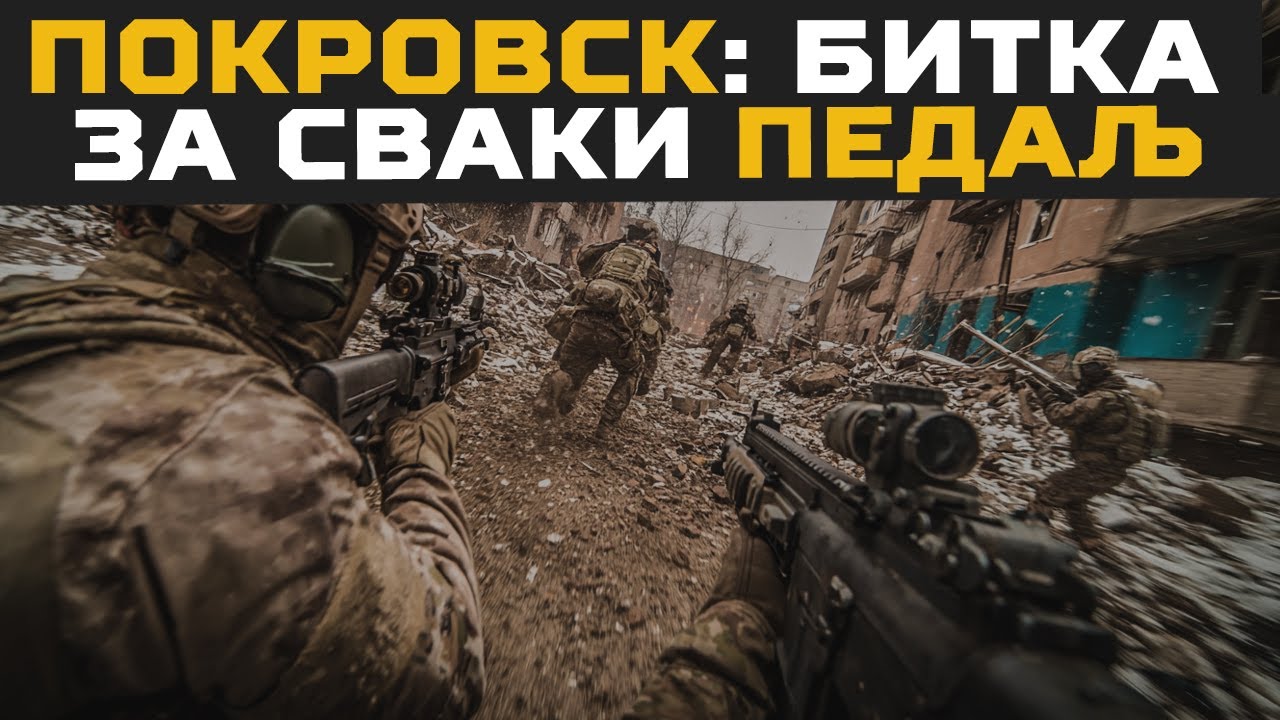
POKROVSK: BITKA za svaki pedalj!
U Pokrovsku se vodi intenzivna bitka za svaki pedalj!Pročitaj više: https://shorturl.at/YMxQcInformišite se o aktuelnim vojnim temama i događajima na našem v...
 www.youtube.com
И жена му негова планирал да ја пуштит на фронт?Или можда керката?

- Член од
- 31 мај 2019
- Мислења
- 667
- Поени од реакции
- 1.730
- Возраст
- 35
Vladimir Putin’s interview with Le Figaro
I have already spoken to three US Presidents. They come and go, but politics stay the same at all times. Do you know why? Because of the powerful bureaucracy. When a person is elected, they may have some ideas. Then people with briefcases arrive, well dressed, wearing dark suits, just like mine, except for the red tie, since they wear black or dark blue ones. These people start explaining how things are done. And instantly, everything changes. This is what happens with every administration.Changing things is not easy, and I say this without any irony. It is not that someone does not want to, but because it is a hard thing to do. Take Obama, a forward-thinking man, a liberal, a democrat. Did he not pledge to shut down Guantanamo before his election? But did he do it? No, he did not. And may I ask why not? Did he not want to do it? He wanted to, I am sure he did, but it did not work out. He sincerely wanted to do it, but did not succeed, since it turned out to be very complicated.
Toa sto go zborev, koga site drugi se nadevaa vo Trump:
Trump’s Image vs. His Record
Donald Trump was often perceived as sympathetic to Russia:
- He repeatedly questioned the value of NATO.
- He expressed admiration for Vladimir Putin’s leadership style.
- His 2016 campaign was clouded by allegations of Russian interference and contacts between Trump associates and Russian figures.
However, his administration’s actual policy record toward Russia was much tougher than his rhetoric suggested:
- Sanctions: Trump signed multiple rounds of sanctions against Russia — some mandated by Congress (like the 2017 CAATSA law), others imposed by the Treasury and State Departments.
- Military aid to Ukraine: His administration approved lethal aid to Ukraine (something the Obama administration had avoided).
- NATO defense spending: His pressure on allies arguably strengthened NATO’s deterrence posture against Russia.
- Diplomatic expulsions: The U.S. expelled dozens of Russian diplomats over the Skripal poisoning in the U.K. in 2018.
So, while Trump spoke warmly of Putin, his administration often acted harshly toward Russia — sometimes against his own apparent preferences.

- Член од
- 13 јули 2006
- Мислења
- 16.323
- Поени од реакции
- 19.856
И како по обичај ЕУ се откажа од користење на руските пари заробени во Еуроклеар во Белгија, затоа што европејциве не сакаа да му гарантираат на белгискиот премиер дека ќе ги покријат парите ако Русија во иднина ги добие на суд. Ќе разговараат пак во декември 
На Украина и требаат 120 милијарди за 2026 година, пола ќе ги обезбеди од сопствениот буџет и уште 60 милијарди треба некој друг да ги покрие.
Така да за брзо ќе почниме да слушаме повици од ЕУ за крај на војната.
Воедно санкциите од 19тиот пакет функционираат. Германските рафинерии се предвидени да работат со руска нафта.
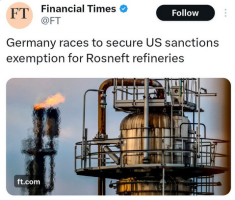
На Украина и требаат 120 милијарди за 2026 година, пола ќе ги обезбеди од сопствениот буџет и уште 60 милијарди треба некој друг да ги покрие.
Така да за брзо ќе почниме да слушаме повици од ЕУ за крај на војната.
Воедно санкциите од 19тиот пакет функционираат. Германските рафинерии се предвидени да работат со руска нафта.
Последно уредено:

Vanlok
deus ex machina
- Член од
- 30 мај 2009
- Мислења
- 31.778
- Поени од реакции
- 42.858
Oвие ваљда ќе ги прават со пониски стандарди, поевтини делови... Знаеш, пошто нема многу да се користат.300 единици имаат произведено во рок од речиси 30 години. 10 годишно. Магла продавање. Ака некој ќе лапа тендерчиња.

Пророкот
Ќе ме биде...
Нееее...И жена му негова планирал да ја пуштит на фронт?Или можда керката?
Само „човеколиките животни„ треба да гинат, не и „одбраните„.

Ron Burgundy
137
150 Грипени, тие за пари не можат да најдат купци па им ги даваат под наем на земји како унгарија, та беспари ќе дале 150 комада.
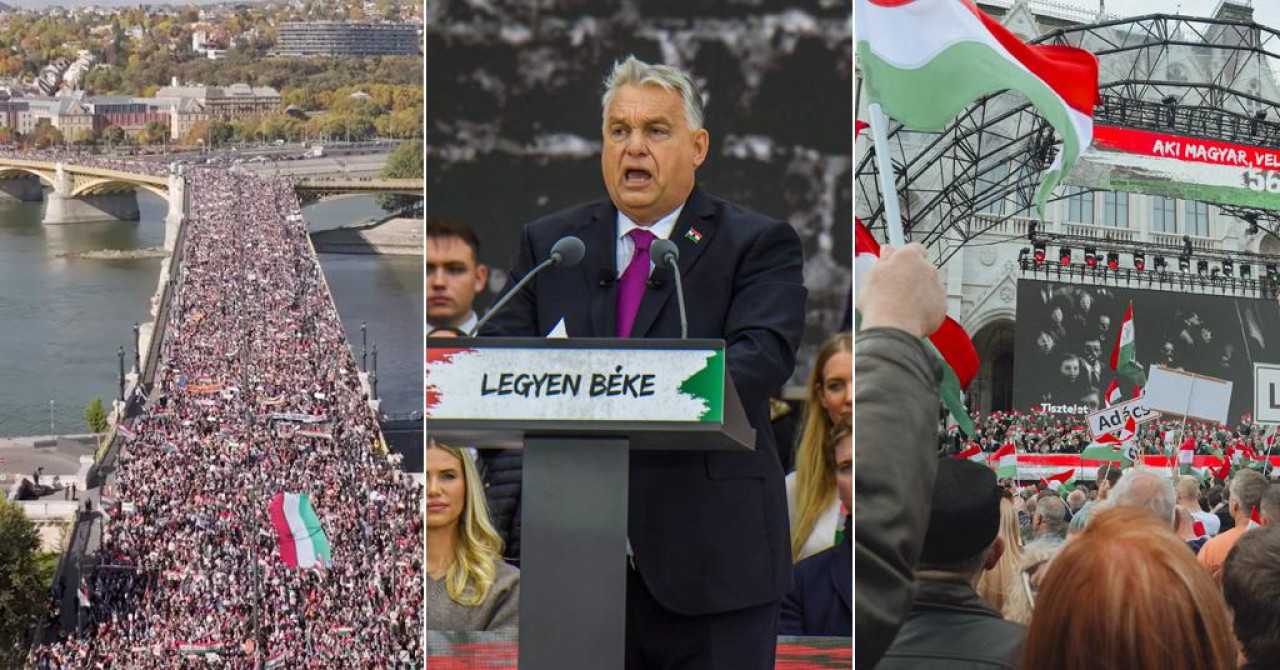
Deseci tisuća ljudi na ulicama Budimpešte, gradom se orilo ‘Viktor, Viktor‘, Orbán vikao: ‘Žele naše duše, šalju nas u smrt, pobunite se!‘
"Moramo svijetu pokazati da u srcu Europe postoji nacija koja ne dopušta ucjene", rekao je mađarski premijer
 www.jutarnji.hr

The xx
Russia state-affiliated bot. ☑️
- Член од
- 8 април 2013
- Мислења
- 9.709
- Поени од реакции
- 18.780
Герасимов во Покровск. Чудно нема некоја бомбастична вест дека го ликвидирале со вундервафињата на Нато. Прав мамут е. Сепак за почит е тоа што цело Нато со секоја можна технологија и невидени ресурси. Неможат на крај да излезат со една утепана Русија.
Буквално нула успех на фронтот. Споредбено со се тоа што го имаат.
Буквално нула успех на фронтот. Споредбено со се тоа што го имаат.

Scott Ritter: Tomahawks, End of NATO & Coming Nuclear War
Scott Ritter is a former Major, Intelligence Officer, US Marine, and UN Weapons Inspector. Ritter argues the Tomahawks and end of the START Treaty can both t...
 youtu.be


Joey-Jojo Jr. Shabadoo
"Hey, Joey Jo-Jo!"
- Член од
- 14 август 2006
- Мислења
- 47.668
- Поени од реакции
- 90.237

Руте: Путин ја губи војната, сега е време за притисок
Генералниот секретар на НАТО, Марк Руте, изјави дека рускиот претседател Владимир Путин е пред крај со ресурсите за да ја продолжи војната против Украина и дека е време да се зголеми притисокот врз Русија за да се постигне праведен мир. Следете a1on на Instagram Руте верува дека ситуацијата на...
a1on.mk
будала нема одмора